

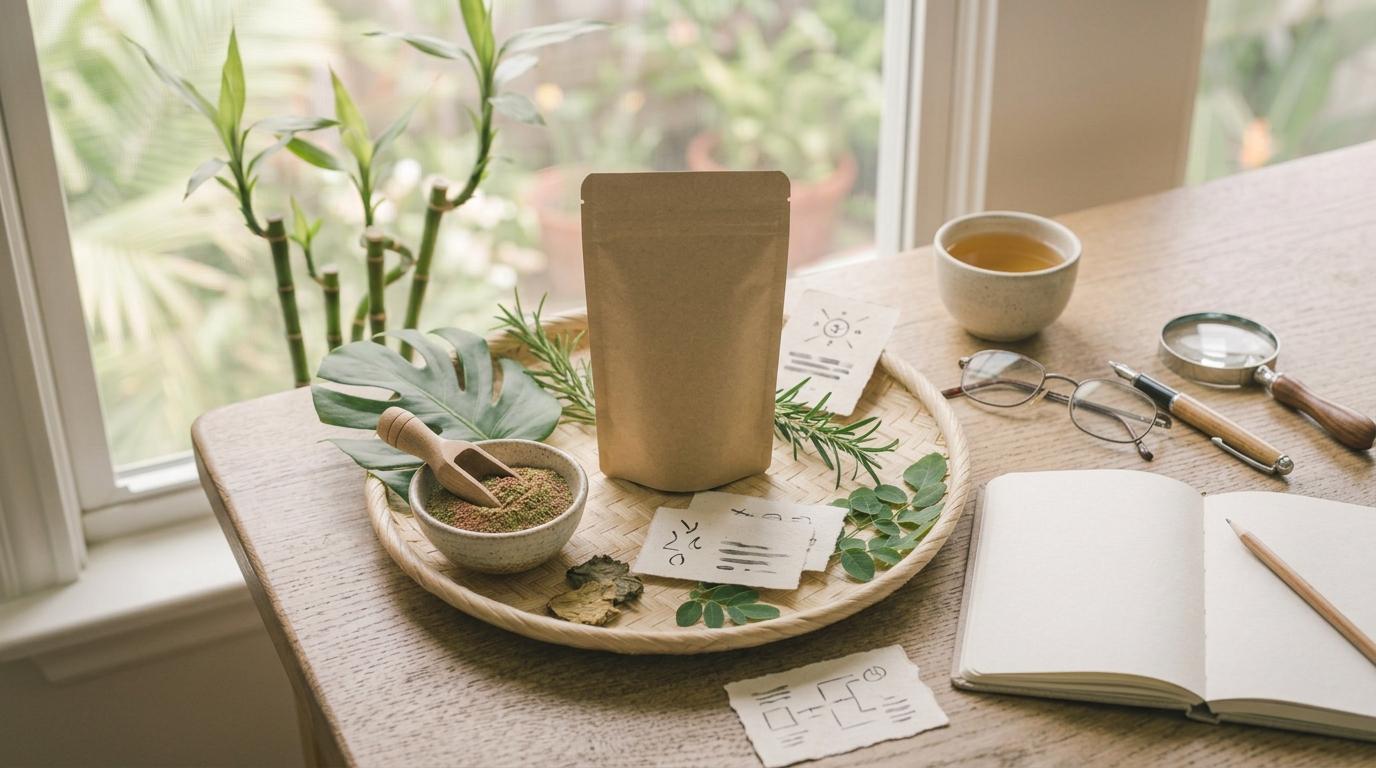
Kratom has emerged as one of the most discussed botanical drugs in the world in recent years. Out of curiosity about what it actually is, to its legality and its rules, people are willing to find out how this Southeast Asian plant has infiltrated the markets of the globe.
In this blog, you’ll know the facts behind the hype of kratom, or just to get familiar with it, if you are new to it or just trying to establish the facts. We are going to discuss the most commonly posed questions (FAQs) about kratom, including what it is and why people take it, what types of kratom are available, and what people should be aware of when it comes to the legal status of the substance.
Why People Use Kratom
Individuals consume kratom due to various reasons, which are personal and involve lifestyle. Although one should not overreach and make medical statements, it is important to know why people are becoming so attracted to kratom to have a more accurate picture of its popularity.
Here are some of the most common reasons people choose kratom:
Natural Botanical Appeal
Natural botanicals are also favored by many people as compared to synthetic items. Kratom, as a plant-based product, which is also a direct product of nature, is a good fit in this trend of herbal and holistic products.
Traditional and Cultural Connection
Kratom is also strongly traditional in Southeast Asia. Kratom leaves were also used as workers took long shifts in the fields, and it was also part of community ceremonies and social events.
Focus and Motivation
Users often associate kratom with feelings of alertness and productivity. Because of this, some prefer it as part of their morning or pre-task routines.
Relaxation and Calm
Depending on the variety and serving size, kratom is sometimes described as promoting a sense of calm or relaxation — factors that make it appealing for those seeking balance in their daily routine.
Alternative Lifestyle Choice
For some, kratom represents a lifestyle preference — an alternative to caffeinated beverages or other wellness products. It has found a niche among people interested in exploring different natural substances for personal well-being.
Benefits of Kratom
The benefits of kratom often vary widely depending on who you ask. While some people describe personal experiences that they find beneficial, it’s crucial to keep in mind that kratom is not an approved medical treatment for any condition.
Here’s what’s generally discussed in the kratom community:
- Energy and focus: Certain kratom strains, particularly white vein varieties, are said to support energy and alertness, making them popular for daytime use.
- Relaxation: Green and red strains are often preferred by those seeking a more relaxing or unwinding experience.
- Mood balance: Many users mention that kratom helps them feel more grounded or balanced throughout their day.
It’s important to note that experiences vary significantly between individuals, depending on body chemistry, strain type, and serving size.
Varieties of Kratom: Understanding the Different Types
Kratom comes in various vein colors and regional varieties, each with unique characteristics. The vein color refers to the color of the leaf’s vein (the line running through the center of the leaf) before harvesting.
1. Red Vein Kratom
Red vein kratom is often associated with more calming and soothing properties. Many users describe it as a good option for unwinding or taking in the evening.
Popular strains include:
- Red Bali
- Red Maeng Da
- Red Thai
2. Green Vein Kratom
Green vein kratom strikes a middle ground between red and white varieties. It’s often seen as versatile and balanced, making it suitable for both daytime and late-day use.
Common types include:
- Green Malay
- Green Borneo
- Green Maeng Da
3. White Vein Kratom
White vein kratom is known for its energizing and focusing qualities. Many users prefer it in the morning as a natural way to start their day.
Well-known strains include:
- White Borneo
- White Maeng Da
- White Thai
4. Yellow and Gold Kratom
These are often blends or specially dried kratom varieties. They’re said to offer unique characteristics depending on the processing method.
Examples:
- Yellow Vietnam
- Gold Bali
Each kratom variety can differ not just by vein color, but also by region, processing method, and harvesting technique, which all influence the final experience.
How Do People Use Kratom?
Kratom can be consumed in several forms, each offering a different experience and level of convenience.
Here are some of the most common methods:
1. Kratom Powder
The traditional and most popular form. Kratom powder can be mixed with water, juice, or smoothies. Some prefer the “toss and wash” method, where powder is swallowed directly with a drink.
2. Kratom Capsules or Tablets
These offer pre-measured servings, making it easy for beginners to start without dealing with the raw taste.
3. Kratom Tea
Brewing kratom leaves or powder into tea is one of the oldest methods, especially in Southeast Asia. The resulting tea is usually filtered before drinking.
4. Kratom Extracts and Shots
Extracts are concentrated forms of kratom, often found in small liquid bottles. They provide convenience and potency for those who prefer smaller servings.
5. Kratom-Infused Products
Modern innovation has led to kratom appearing in beverages, gummies, or even seltzers, catering to users looking for alternative consumption methods.
Is Kratom Legal?
Kratom’s legality varies significantly around the world and even within countries. Understanding this aspect is crucial before purchasing or using kratom.
1. Kratom in the United States
In the U.S., kratom is legal at the federal level, but banned in certain states and municipalities. The DEA (Drug Enforcement Administration) had considered scheduling kratom in the past, but public and scientific feedback led to its continued legal status in most regions.
However, some states, such as Alabama, Arkansas, Indiana, Rhode Island, Vermont, and Wisconsin, have restrictions or bans. Others, like California (San Diego), Florida (Sarasota County), and Illinois (Jerseyville), have local bans.
Before purchasing kratom, users should always check local regulations.
2. Kratom Worldwide
Internationally, kratom’s legal status also differs:
- Legal: Thailand (recently legalized), Indonesia, and parts of Canada.
- Restricted or Banned: Australia, Denmark, Finland, Poland, and several European nations.
Because of these differences, kratom vendors often clearly list shipping restrictions based on destination laws.
Kratom Regulations and Safety Standards
The discussion about kratom doesn’t end with legality — regulation is another major topic.
Since kratom is considered a dietary botanical, not a drug, it’s not regulated by the U.S. FDA in the same way that pharmaceuticals are. This lack of standardization has led to quality concerns.
To address this, several organizations and vendors have taken steps to self-regulate the market:
1. The American Kratom Association (AKA)
The American Kratom Association (AKA) has developed Good Manufacturing Practices (GMP) standards to ensure kratom products are tested for purity, contaminants, and accurate labeling.
Consumers are encouraged to purchase kratom only from AKA GMP-qualified vendors, as these suppliers voluntarily adhere to higher safety and transparency standards.
2. Lab Testing
Reputable kratom sellers provide third-party lab test results showing that their products are free from heavy metals, microbial contamination, and adulterants. This transparency builds trust and ensures consumers know what they’re getting.
3. Age and Labeling Regulations
Some states have introduced age restrictions, limiting kratom sales to those 18 or older. Additionally, accurate labeling of alkaloid content and warnings are becoming more common as part of responsible retail practices.
Understanding Kratom Alkaloids
Without diving into medical details, it’s important to understand that kratom’s properties come from natural alkaloids found in its leaves.
The most well-known are:
- Mitragynine
- 7-hydroxymitragynine
These compounds interact with the body in complex ways that researchers are still studying. Their combined activity is what gives each kratom strain its characteristic profile.
Again, it’s vital to emphasize that kratom is not approved for medical use, and ongoing research continues to evaluate its full effects.
How to Choose the Right Kratom for You
With so many varieties available, beginners often wonder where to start.
Here are a few practical tips for selecting the right kratom product:
1. Identify Your Purpose
Ask yourself: What do I want to achieve with kratom? Whether it’s focus, relaxation, or general balance, different strains may align better with certain preferences.
2. Start with Reputable Vendors
Always buy from trusted sources that offer lab-tested products. Avoid unverified sellers that don’t disclose product origins or test results.
3. Begin with Small Servings
Everyone reacts differently to botanicals. Start with smaller servings and adjust as you gain experience.
4. Keep a Journal
Many users find it helpful to track their experiences — strain, serving size, and effects — to understand what works best for them.
Can Kratom Be Mixed with Other Substances?
It’s strongly recommended to avoid mixing kratom with other substances, especially those that may have overlapping or unknown effects.
Combining kratom with alcohol, caffeine, or prescription drugs can produce unpredictable outcomes. Always use kratom responsibly and independently.
Kratom’s Future: Research and Understanding
Kratom research is still in its early stages. Universities and scientific institutions are increasingly studying kratom to better understand its properties, active compounds, and potential uses.
Regulatory agencies are also monitoring kratom closely to ensure consumer safety and transparency. The future of kratom likely depends on:
- Continued scientific research
- Responsible consumer use
- Transparent, ethical industry practices
As public awareness grows, more standardized testing and regulation could help ensure that kratom remains accessible and safe for responsible adult consumers.
Responsible Use and Precautions
Even though kratom is natural, it should still be approached with care and respect. Like any botanical, using it responsibly means:
- Avoiding overuse or combining with other substances
- Checking local laws before purchase or use
- Consulting a healthcare professional if taking medications or having health conditions
Responsible use and awareness help ensure that kratom remains a positive part of the global botanical community.
Final Thoughts
Kratom is a singular botanical that has profound cultural perspectives and surging worldwide popularity. The clear picture of what it is, why people use it, and how it is controlled will help to separate fact and misconception. Although this is not a product accepted by the medical community, it is seen by many as a natural way of life when taken in moderation.
With the ongoing development of research and regulations, consumers can help kratom have a bright future and do so by being aware of it, buying only from reputable vendors, and using it responsibly. Knowledge and responsibility will allow kratom to be a safe and respected constituent of the natural wellness society.
More Resources
Is Kratom Bad For Heart Health?
Investing In Kratom: Should You Go For It?


Leave a Reply